Garden of the Month – April 2026: Mayfield Garden
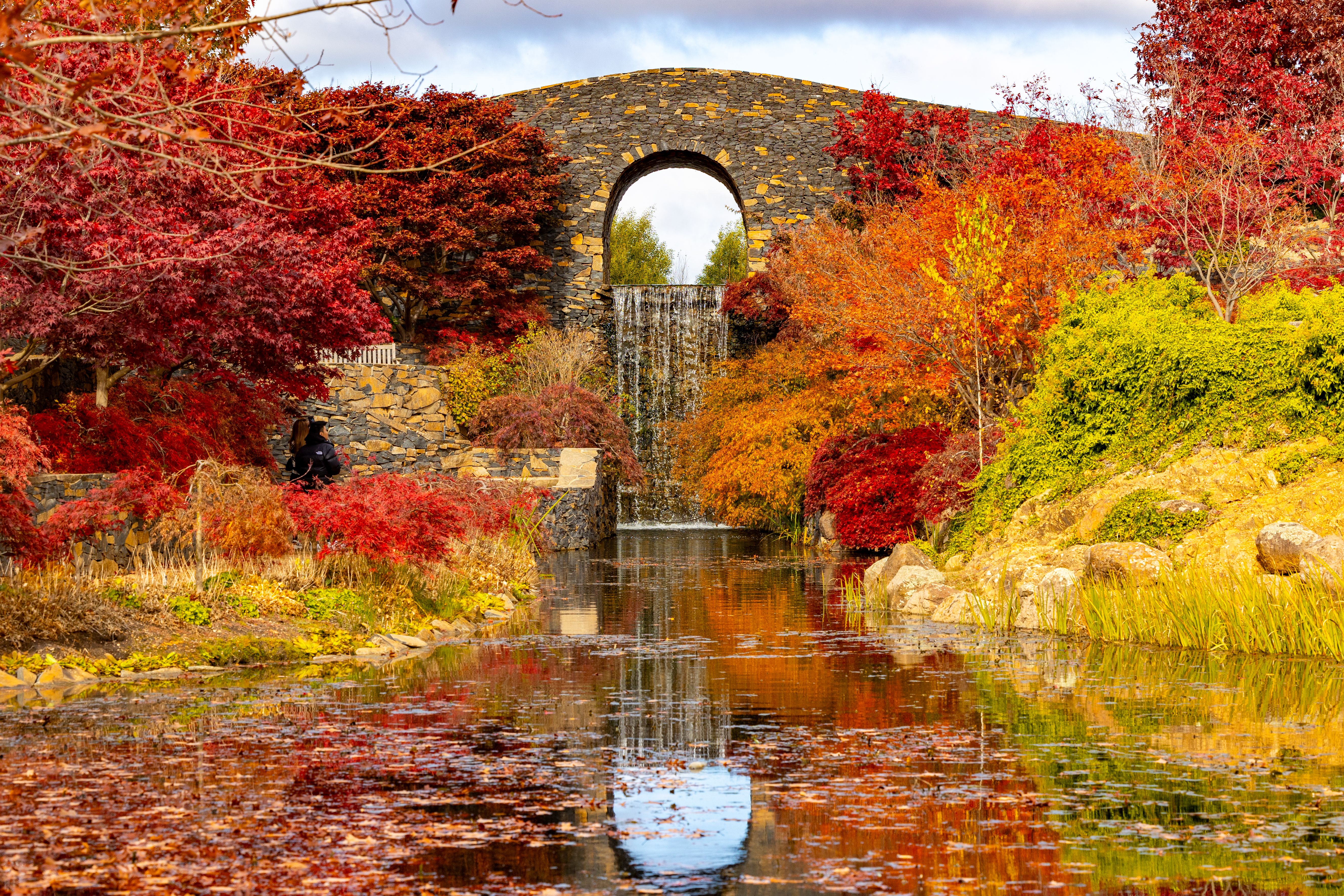
This month’s Garden of the Month takes us to Mayfield Garden in New South Wales, Australia.
What began as farmland has grown into one of the largest cool-climate gardens in the Southern Hemisphere, with the team now focused on documenting and managing it as it evolves.
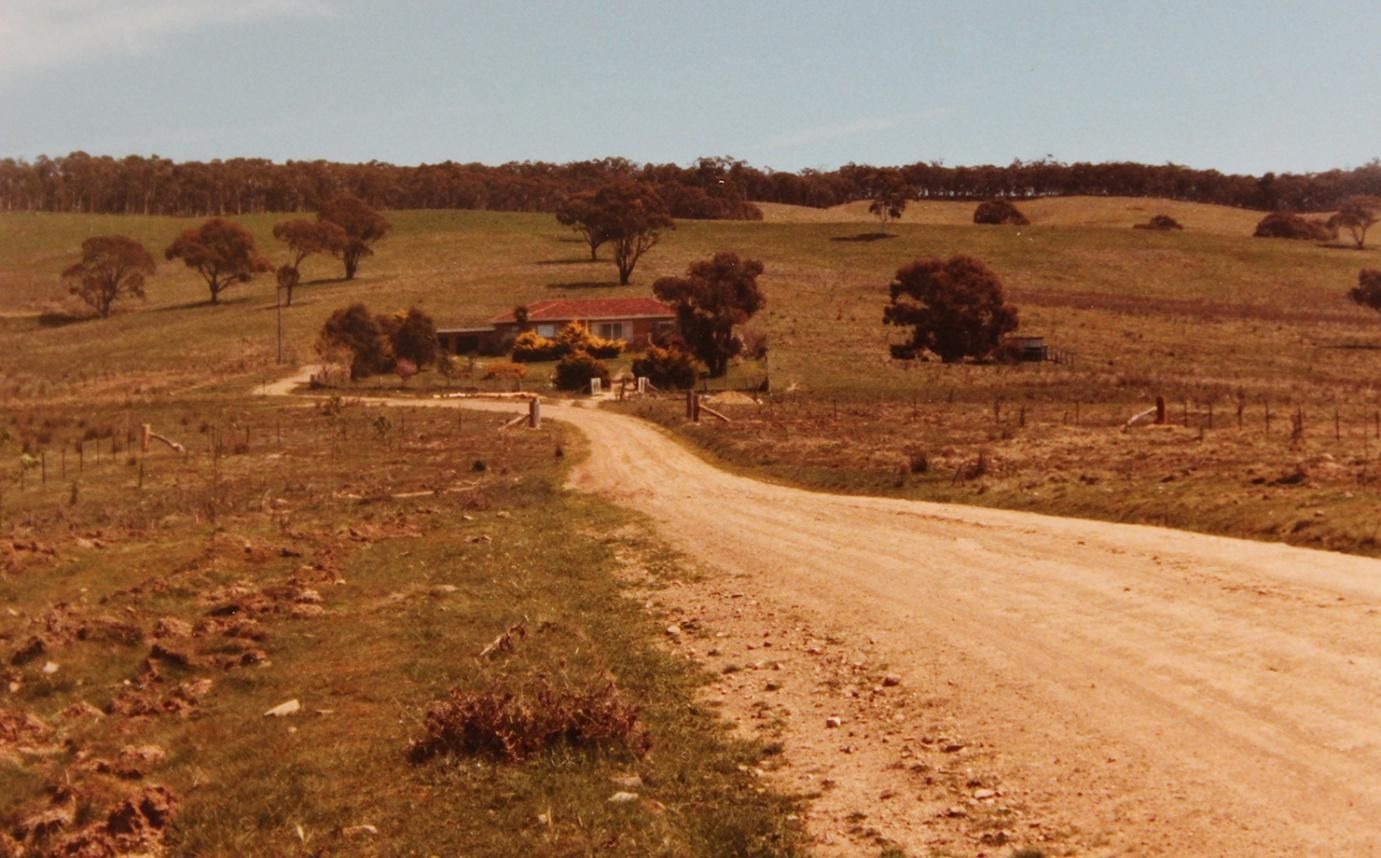
In 1984, the Hawkins family purchased “Mayfield”, 2,000 acres of farmland in the beautiful town of Oberon, NSW. The property was purchased as a hobby farm – back then the land was just farm paddocks with no gardens.
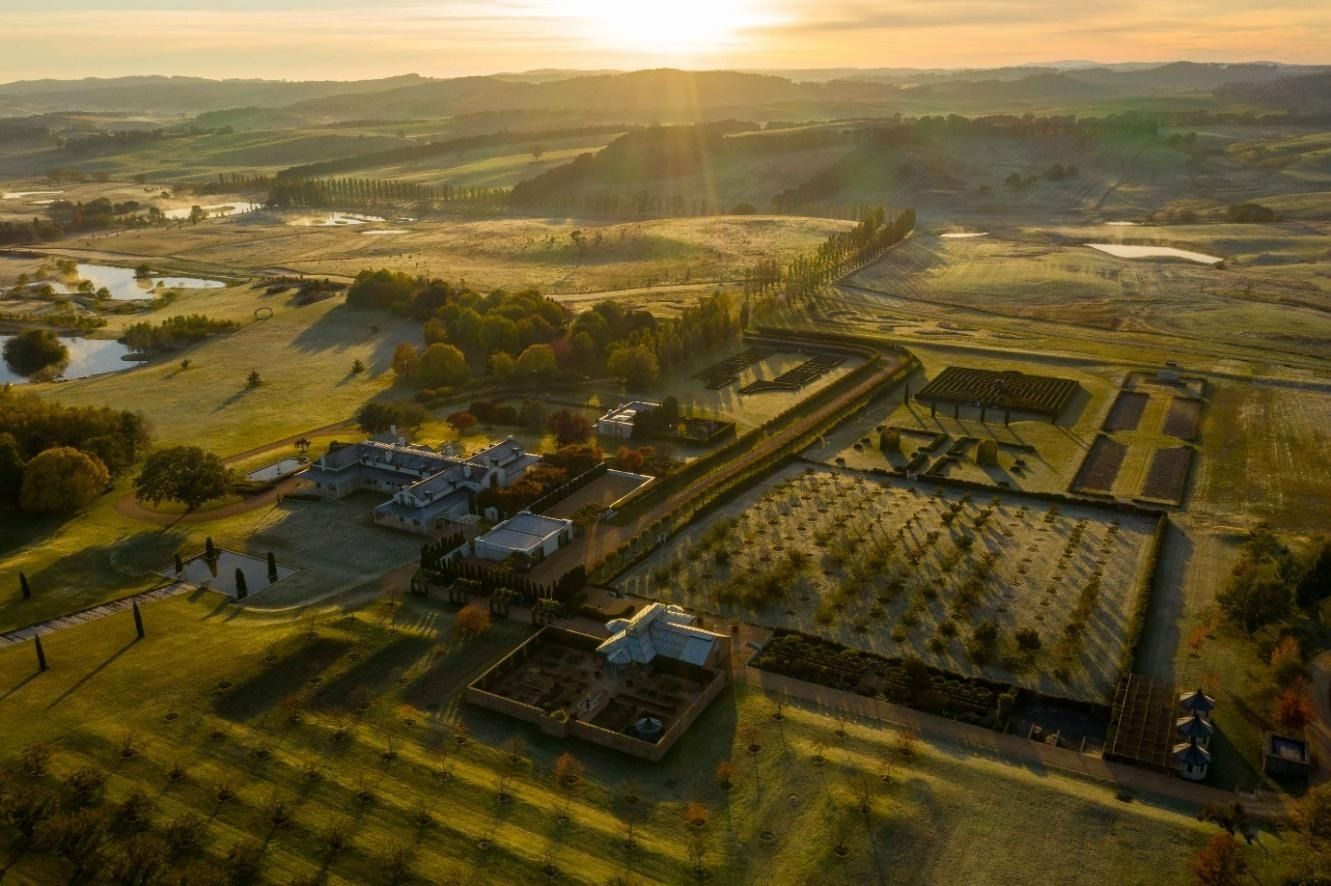
Over time, the family built the house on the property and developed a garden around the main residence. Mr Hawkins was inspired by the many English gardens he had visited, including Chatsworth House, Stourhead, Longstock Park Water Garden and Waddesdon Manor. He was motivated to create a cool-climate garden at Mayfield.
What began as a private garden for the family has, over the past 25+ years, grown into the largest cool-climate garden in the southern hemisphere and arguably Australia’s most spectacular privately owned garden. Today, the ornamental cool-climate garden spans 160 acres of the 2,000-acre property.
Mayfield Garden was developed in collaboration with local landscape designer and nurseryman Peter D’Arcy. Mr Hawkins had the vision; Mr D’Arcy had the expertise.
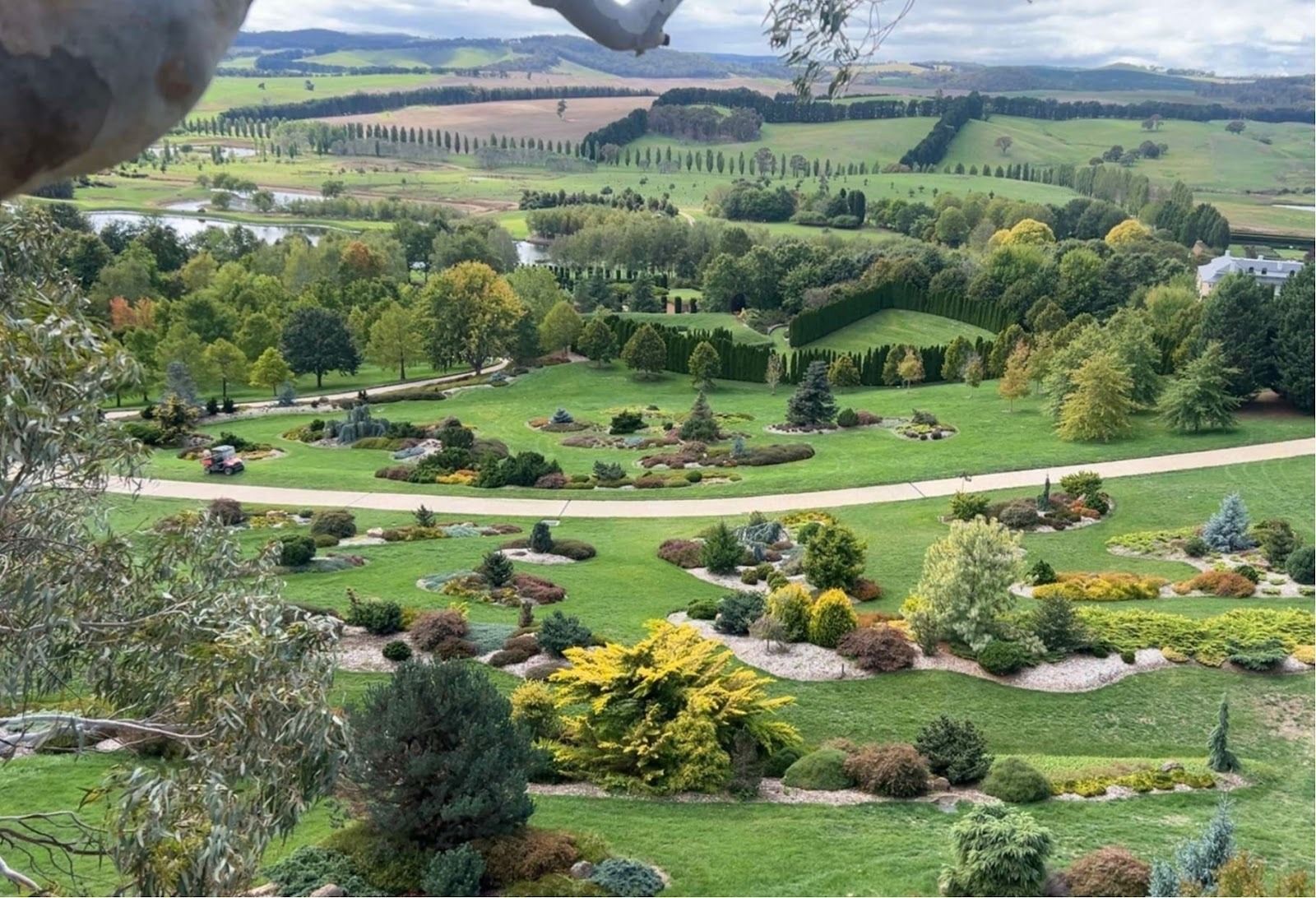
Among the garden’s most striking areas is the Heath and Heather Garden, one of Mayfield’s crown jewels. This colourful, richly textured landscape showcases rare and unusual plants in a striking display.
Nearby, the Moss Creek Garden offers a quieter contrast, centred around Australia’s ancient plant heritage, including several Wollemi Pine trees. The Wollemi Pine is a unique ancient “living fossil” and the sole surviving species in its genus, offering a living connection to the prehistoric era when it coexisted with dinosaurs. The tree was rediscovered in 1994 in Wollemi National Park, not far from Mayfield.
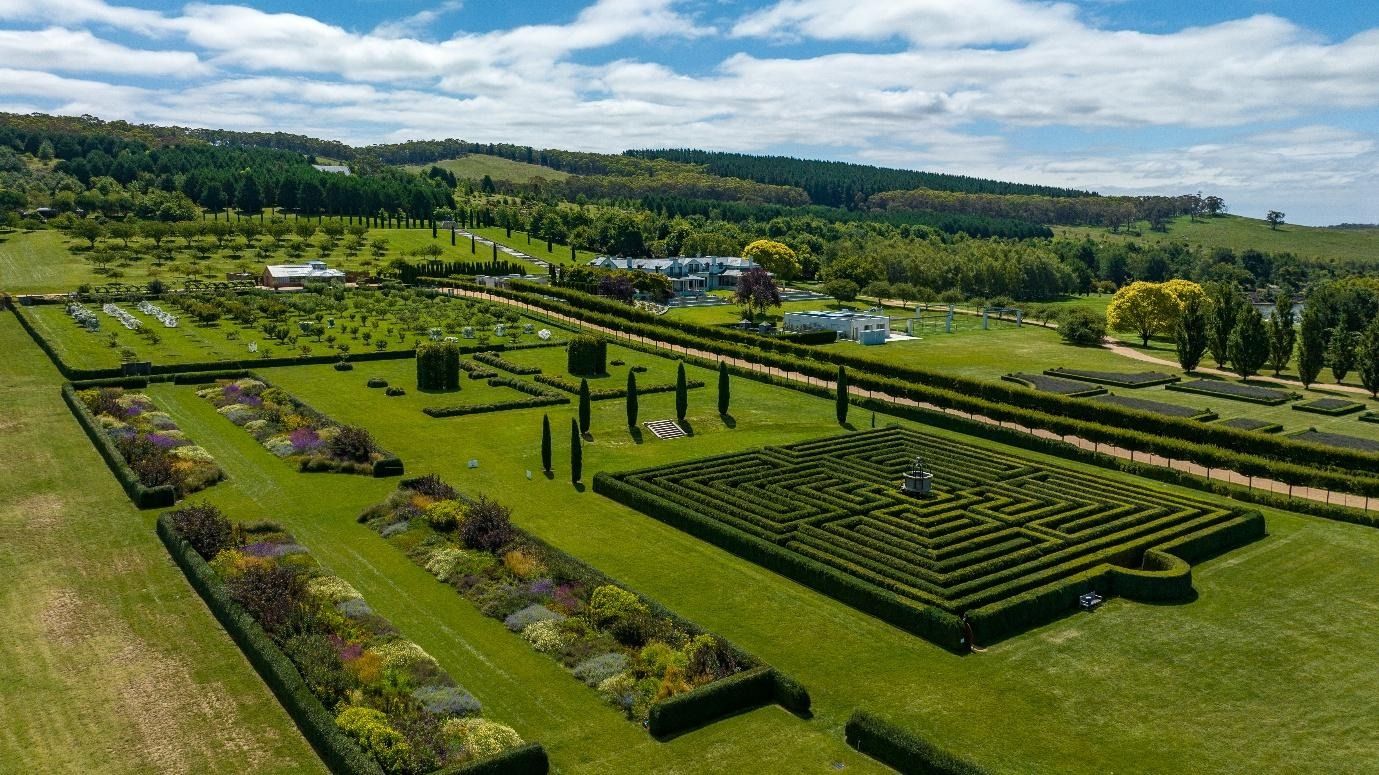
One of the most popular features within the garden is the Maze, the southern hemisphere’s largest box hedge maze. It spans 1.4 km and is close to being fully grown at around 1.8 metres in height.
The scale of planting continues in the Herbaceous Border, designed by landscape designer Paul Bangay. Planted in 2022 with 40 different varieties, all propagated and grown within the Mayfield Garden propagation facility, it is now the largest herbaceous border in Australia.
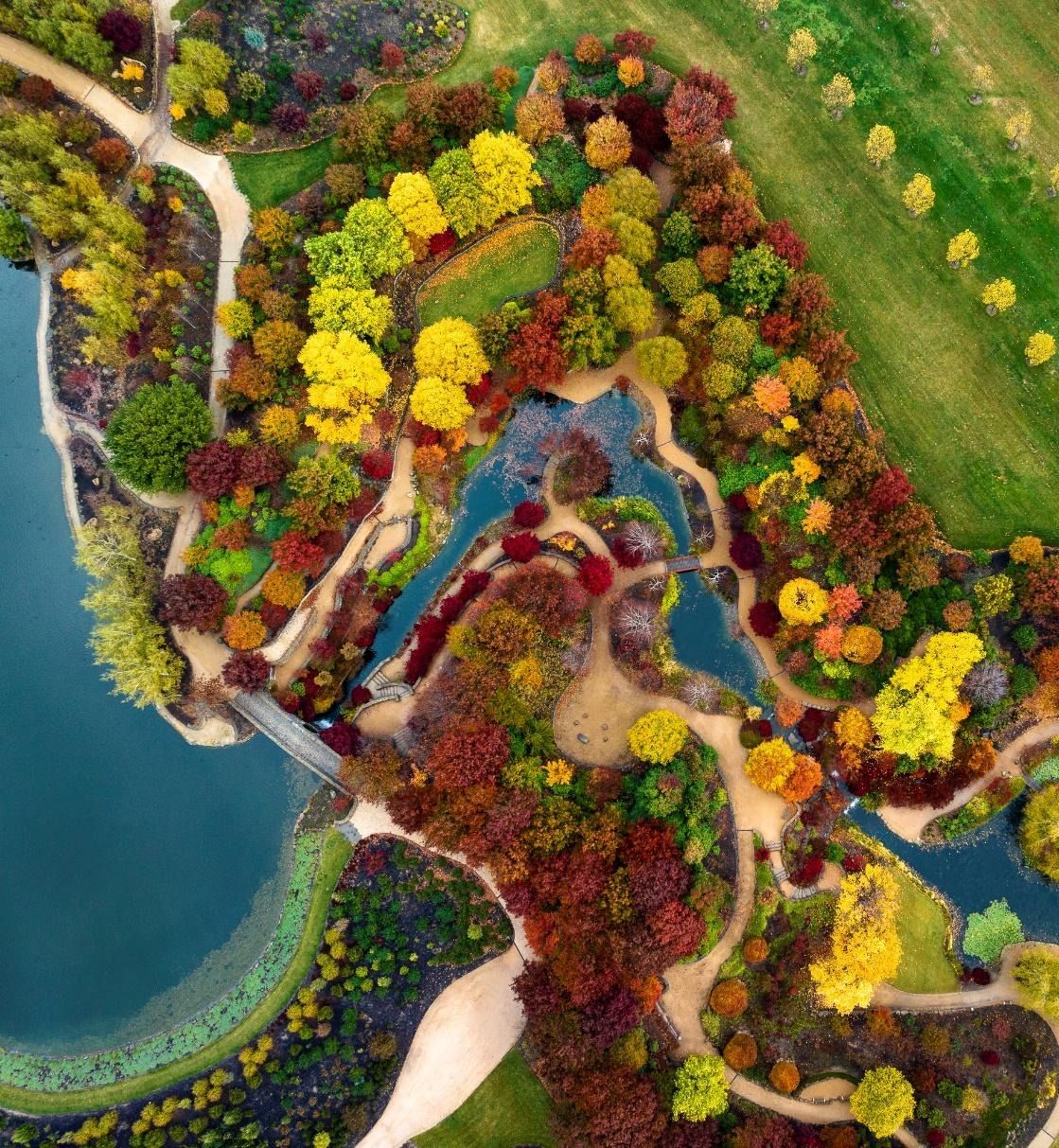
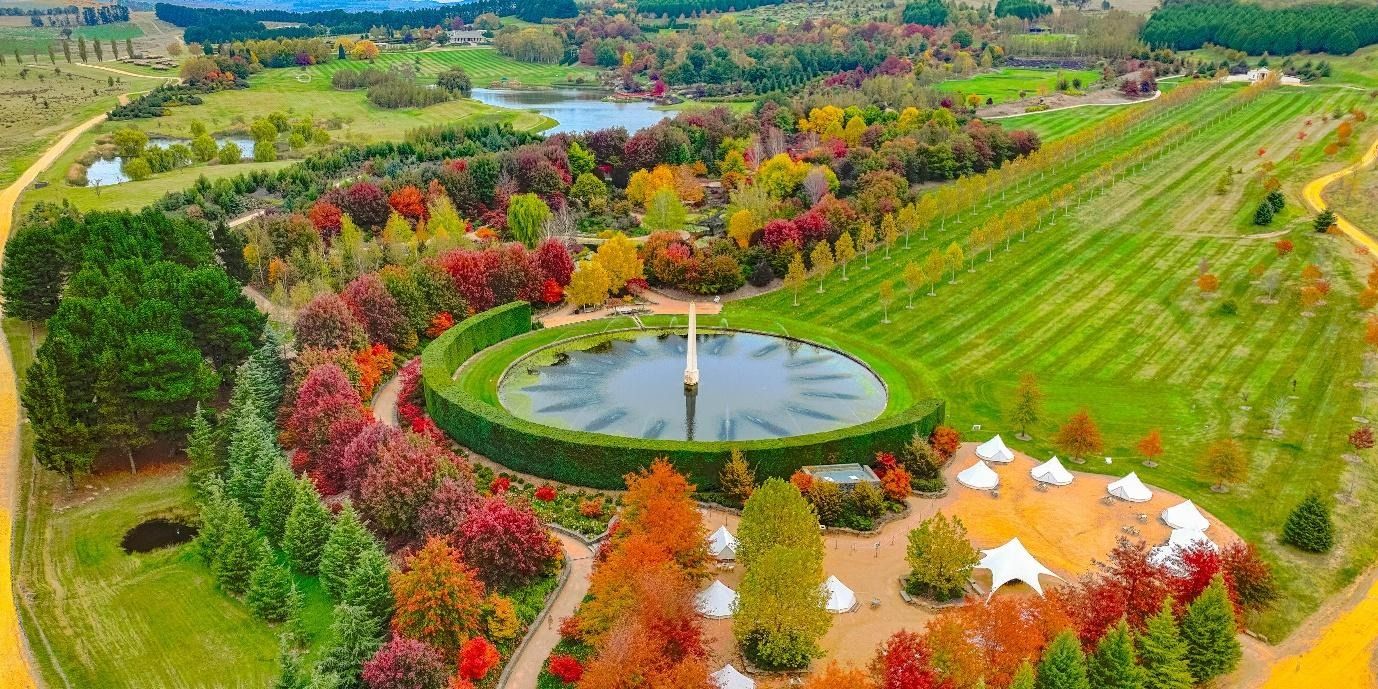
Construction of the Water Garden began in 2005, with planting completed by the end of 2012. What makes the Water Garden particularly special is its scale - 6 acres of waterfalls, a Copper Tree Fountain, a Grotto, set within 30 acres of surrounding garden. In addition to its size, it is home to a significant collection of special and rare Rhododendrons, Acers, Oak trees, Camellias, Hydrangeas and Wisterias.
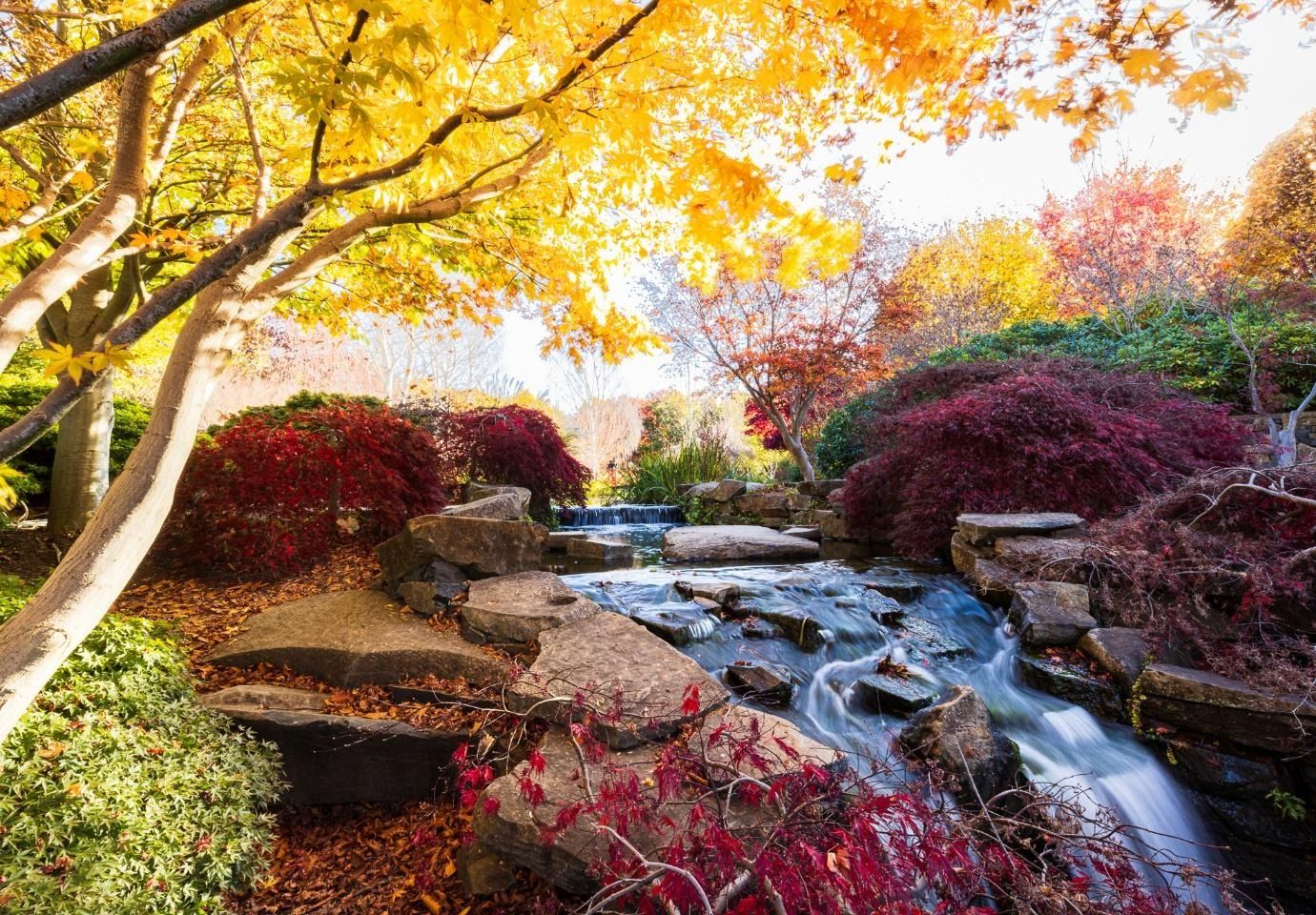
The Gallery Path project has allowed the garden to focus on plant species that will thrive in the Central West’s environment - hot in summer and cold in winter. A blend of ornamental grasses, including Miscanthus and Panicum, and flowering perennials such as Stachys, Euphorbia and Sedum, brings a softer element to the planting. This is offset by more structural shrubby planting, which provides seasonal interest throughout the year, including Lonicera fragrantissima, Ceanothus ‘Joyce Coulter’ and Toona sinensis ‘Flamingo’.
The newly planted area of the garden has been a success. The team planted 6,000 plants in December 2024, with an establishment rate of around 90%. The plants have stood up well to all the conditions that Oberon can throw at them - a good example of the right plant in the right place.
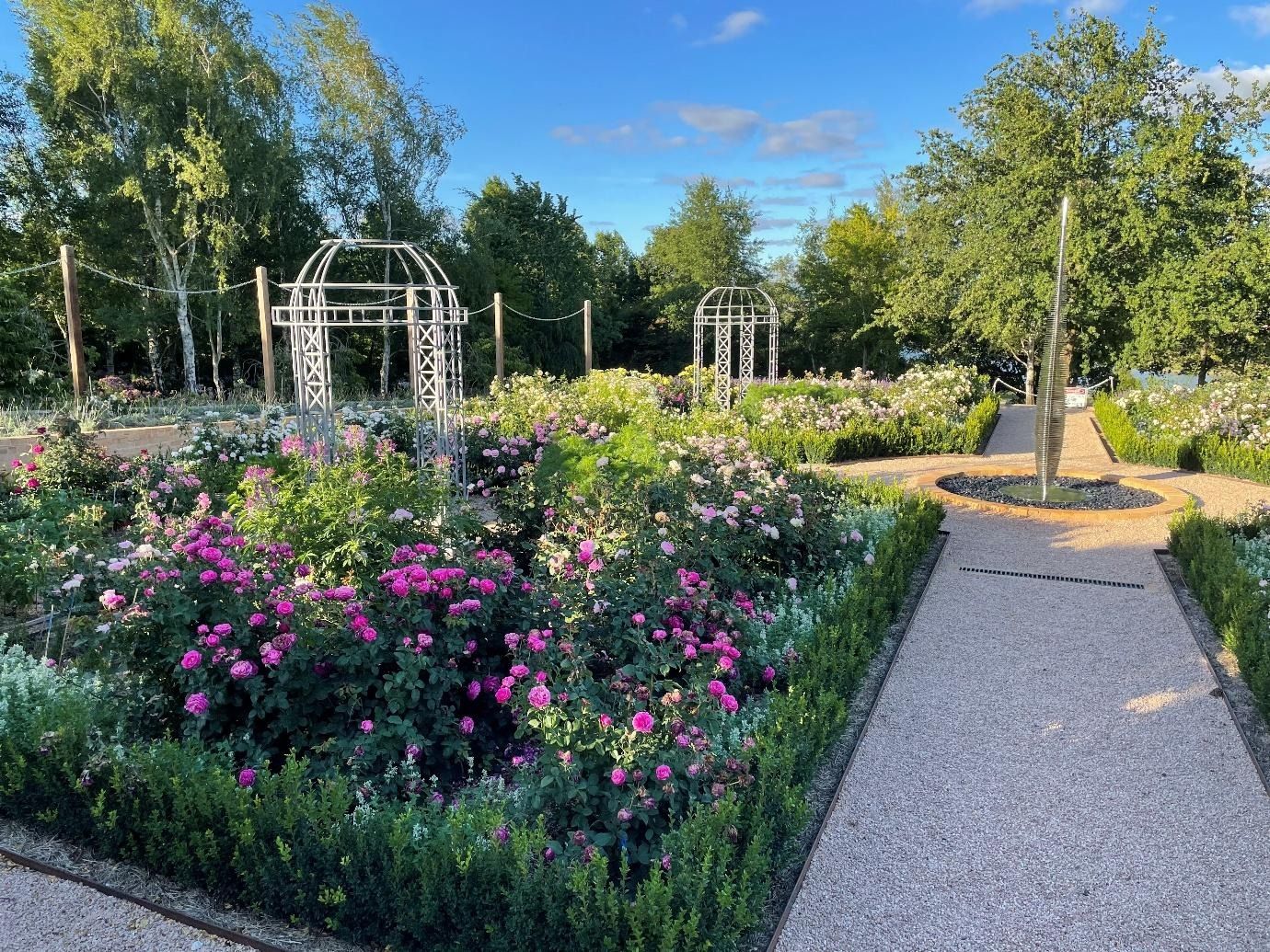
We have just completed the renovation of our Rose Garden, restoring it with highly scented rose varieties. At the centre of the Rose Garden’s quarter is a fountain sculpture called “Thales”. The sculptor Barry Mason created four of these fountains, one of which is installed at the Savill Garden, owned by the English royal family.
Other future work in the garden includes:
Cherry Blossom Walk - 250 Yoshino cherry trees will be planted in winter 2026 around the Nature Ponds, below Mayfield Lake. The blossoms will provide a striking early spring display, at a time when the garden is still waking up from winter.
Wisteria Arbour - designed by Japanese designer Shinya Ueda, the Wisteria Arbour will be 150 metres long and planted with Wisteria floribunda ‘Macrobotrys’. Planning is well advanced, and construction and planting are expected to be completed by the end of 2027.
Keeping up with botanical records
With such an extensive collection of plants throughout the garden, it was becoming increasingly difficult to keep up with botanical records. Our old paper-based records were not going to stand the test of time.
We started using Hortis in November 2024 and have been incorporating seasonal aerial maps to ensure accuracy and bring the maps to life.
To date, we have recorded around 2,500 materials. We anticipate completing our mapping within the coming year.
We chose Hortis because it is easy to use and backed by good customer support. In time, we intend to use it as the basis for a visitor map and as a platform for recording our botanical history. Having an accurate and accessible record of our plant collections is the first step in our quest to become a certified botanic garden.
Opening our garden to the public
Mayfield Garden has been open to the public since 2014.
Today, we welcome around 80,000 visitors each year. Most are Australian residents, with the majority living within a two-hour drive of the garden. We also host bus groups, Probus clubs, garden clubs, car clubs and school groups.
Garden signage and customer engagement are areas we are focusing on now. Evolving from a private garden into one that is open to the public has brought both challenges and opportunities.
We have a café that serves breakfast and lunch daily, as well as dinner during peak times. We also offer a pop-up glamping experience during spring, summer and autumn, allowing visitors to immerse themselves in the garden overnight.
Education is also an important part of what we do. We provide a valuable training ground for garden apprentices and horticulturalists. Our extensive plant collection allows the team to gain a strong understanding of rare and specialist cool-climate plants.
One of our senior horticulturalists has recently been accepted into the Longwood Gardens International Internship and Training Program in America, where he will complete three work rotations across different areas of Longwood’s horticulture programme.
In time, we are keen to formalise a similar internship programme at Mayfield, giving students and horticulturalists from around the world the opportunity to work alongside our team.
Connect with Mayfield Garden
https://mayfieldgarden.com.au/